
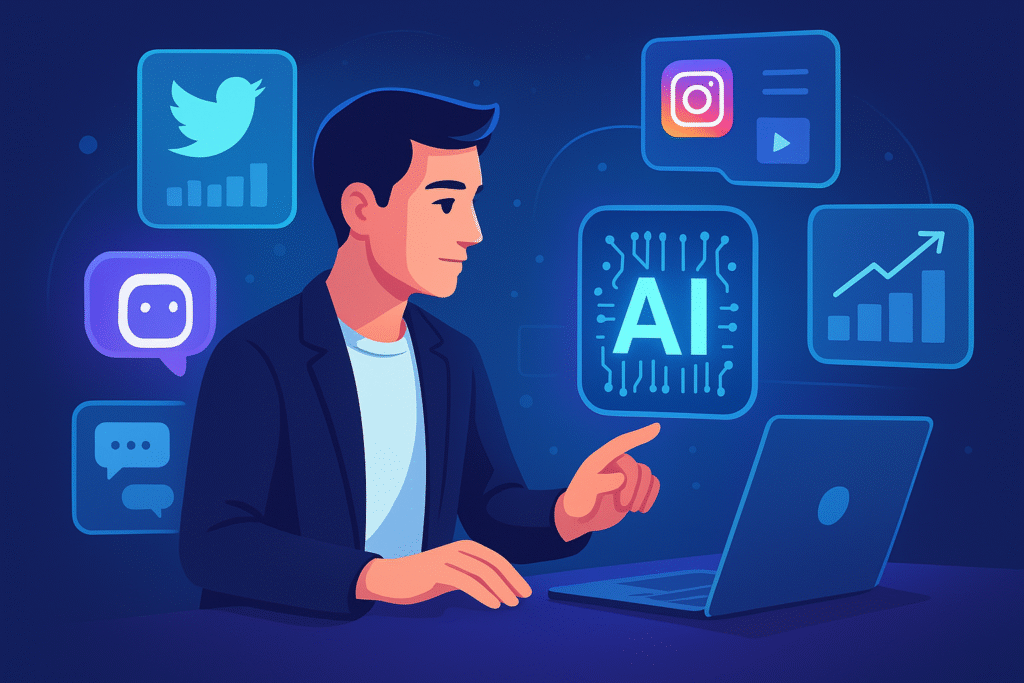
Artificial Intelligence (AI) is no longer just a buzzword — it’s the backbone of social media marketing in 2025. From content creation to audience targeting, AI has transformed how brands interact with their audiences. Let’s explore how this technology is reshaping the digital marketing landscape.
1. Hyper-Personalized Content Creation
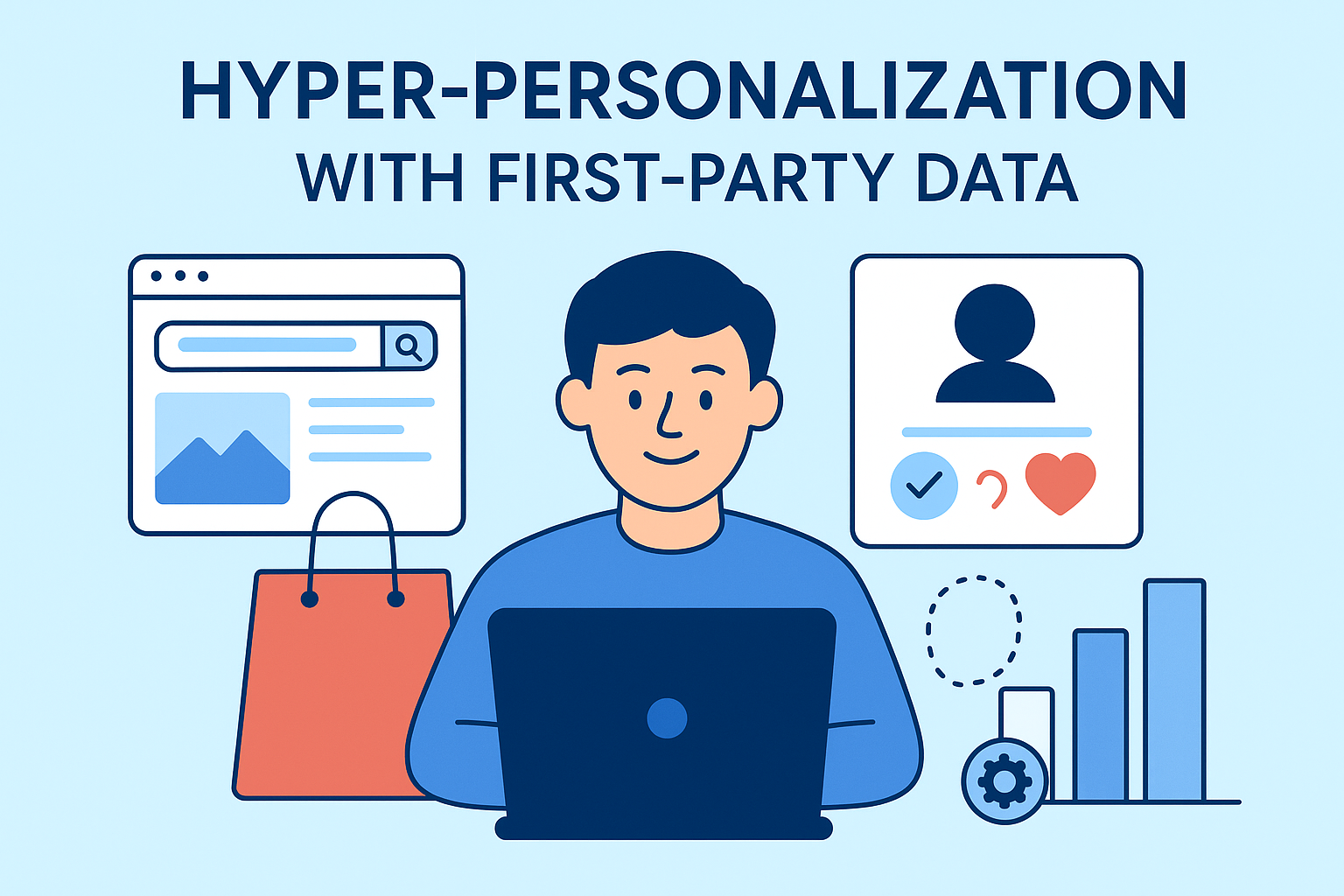
Gone are the days of one-size-fits-all posts. Today’s social platforms use AI algorithms that analyze user data — including preferences, location, and even sentiment — to deliver ultra-personalized content.
Marketers can now generate multiple content versions for different audiences, ensuring every post feels tailor-made. Tools like ChatGPT-powered caption generators and AI video editors help maintain brand consistency while saving time.
2. Predictive Analytics for Smarter Campaigns
AI-powered analytics tools can now predict audience behavior before campaigns even launch. By analyzing millions of data points, these tools identify the best time to post, the most engaging hashtags, and which content formats convert best.
Predictive insights enable marketers to make data-driven decisions and maximize ROI effortlessly.
3. Conversational Marketing with AI Chatbots
AI chatbots have evolved from robotic responders to intelligent virtual assistants. In 2025, brands use chatbots on platforms like Instagram DMs, WhatsApp, and Messenger to provide instant, human-like customer support.
They can recommend products, book appointments, and handle complaints — all while maintaining a personalized tone aligned with brand identity.
4. AI-Generated Visuals and Videos
AI design tools now create social media visuals in seconds. Platforms like Canva AI and Adobe Firefly generate branded templates, reels, and infographics instantly based on simple text prompts.
Even videos are becoming AI-assisted — creators can edit reels automatically, add captions, or create lifelike avatars for product promotions.
5. Smarter Ad Targeting and Budget Optimization
AI algorithms continuously analyze ad performance to automatically adjust spending, optimize audience segments, and suggest better creatives.
Platforms like Meta Ads and Google Ads now use AI-driven predictive bidding, ensuring that every penny is spent on the most likely-to-convert audience.
6. Sentiment Analysis for Brand Reputation
AI tools monitor millions of comments, mentions, and reviews to detect how users feel about your brand in real time.
This sentiment analysis helps marketers respond proactively to negative feedback, engage with happy customers, and identify trending discussions before they go viral.
7. Ethical AI and Data Transparency
With great power comes great responsibility. As AI takes a leading role in marketing, ethical use of data and transparency are top priorities in 2025.
Brands that openly share how they use AI and protect consumer data are earning more trust — a vital currency in today’s competitive digital space.
Conclusion
AI has moved from being a support tool to a strategic partner in social media marketing. It helps brands understand their audience deeper, automate tasks, and create experiences that feel personal and human.
In 2025, the marketers who embrace AI aren’t just keeping up with the trends — they’re defining the future of digital connection.