

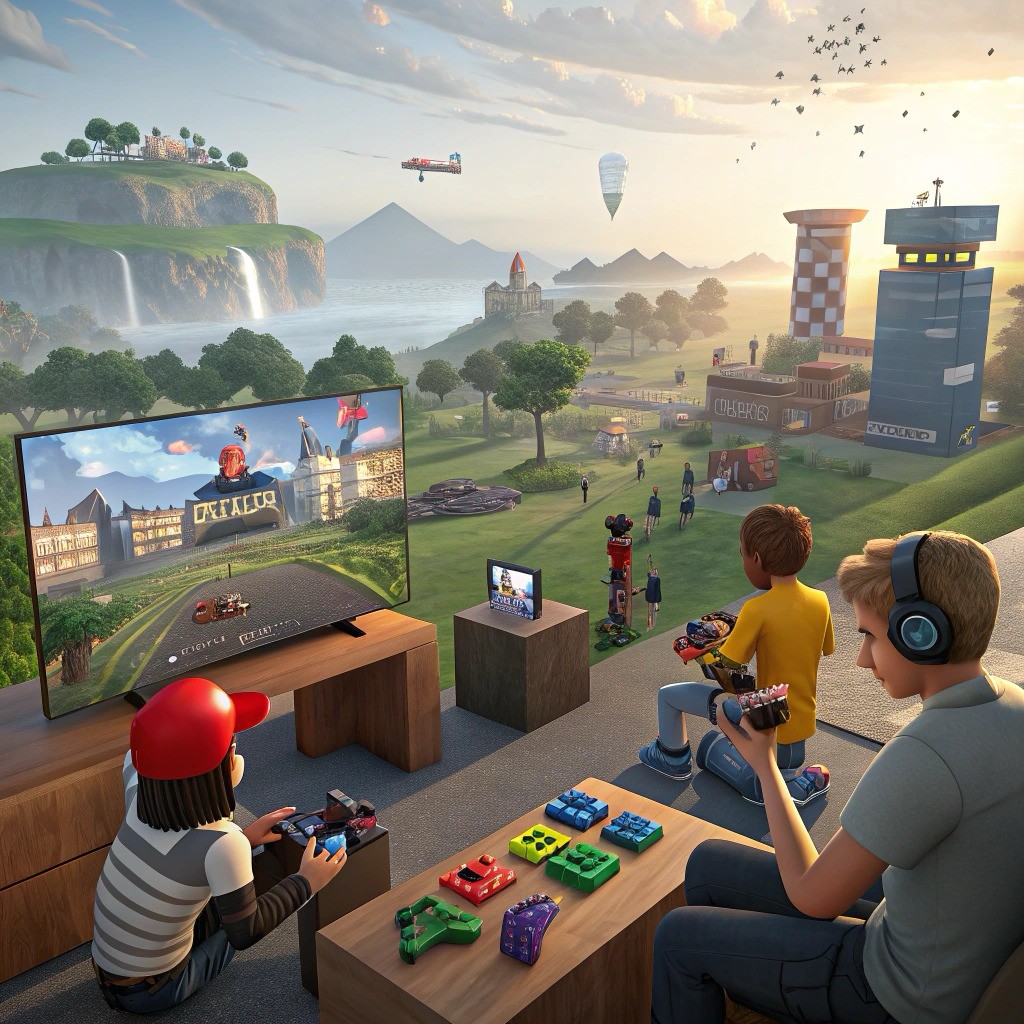
Casual gaming is being shaken up — and one platform doing this more than any other is Roblox. With games like Grow a Garden and Steal a Brainrot becoming global phenomena, Roblox is no longer just for kids. It’s turning into a stage for viral viral hits, social connection, and surprising revenue streams. Here’s how and why Roblox’s newest crazes are changing what casual gaming looks like in 2025.
1. The Rise of Viral Roblox Games
- Grow a Garden is one of the biggest surprises of 2025. Created by a teenage developer, it became massive for its relaxing gameplay, cooperative mechanics, and its calming, slow-pace rhythm that contrasts sharply with high-intensity action games.
- Steal a Brainrot exploded in popularity as well. It’s simple, addictive, controversial even — players buy “Brainrots” and others can steal them, giving up moments of tension, laughter, frustration. These raw emotions make for shareable clips and social media buzz.
2. Why Players Are Hooked
- Simplicity & Accessibility: These games aren’t about mastering complex mechanics or paying for high-end gear. Almost anyone can jump in and understand what to do.
- Social & Memetic Potential: The stealing mechanic, or trading, or relaxing environment, gives players moments they want to share — “look what happened!”, funny fails, surprising wins, etc.
- Low Barrier to Entry / Little Pressure: They don’t require high skill, so even casual gamers or new players can join in. There is little stress compared to competitive PvP titles.
3. Impact on Game Design & Industry
- Developers are now paying more attention to virality: mechanics that lead to short, sharable moments → social media friendly gameplay.
- In-game monetization is adapting: lots of cosmetic or fun items rather than pay-to-win, because players want to feel included, not left out.
- Platforms like Roblox are benefiting big: they host and promote these types of games, which boosts their traffic and community engagement.
4. The Flip Side: Concerns & Criticism
- Some gameplay mechanics in viral Roblox hits are criticized for being too exploitative of social dynamics (pressure, peer competition), or having pay-to-win elements in disguise. Steal a Brainrot has paid items that give advantages.
- Community safety is a concern: content moderation, chat safety, and protecting younger players are under spotlight. Roblox has made changes in games like Grow a Garden to improve chat restrictions.
5. What Other Platforms Can Learn
- Incorporate mechanics that generate micro-experiences worth sharing (fun fails, surprises, emotional moments).
- Make games easy to learn, but hard (or variable) in terms of what people share. That contrast helps virality.
- Focus on community safety & moderation from day one, especially if targeting younger players.
6. What This Means for Gamers & Creators
- For Gamers: More options for chill, fun gaming that doesn’t demand constant grinding or competition. Games to relax, socialize, vibe.
- For Content Creators: Short clips from surprising game moments, community interactions, reactions — goldmine for Reels, TikTok, Shorts.
- For Indie Devs: You can make something small, focused on one viral mechanic, and still reach millions. It doesn’t always take huge budgets or cutting-edge graphics.
Conclusion
Roblox’s recent viral games are teaching us something important: the future of casual gaming is social, simple, and surprising. In 2025 we’re seeing that what players want is not always about the biggest graphics or the toughest competition — sometimes what wins is a good moment, a funny fail, a chance to be part of something people are talking about.
If you’re making games or writing about them, now is the time to pay attention to these trends. A small idea with the right twist can become a cultural phenomenon.


