
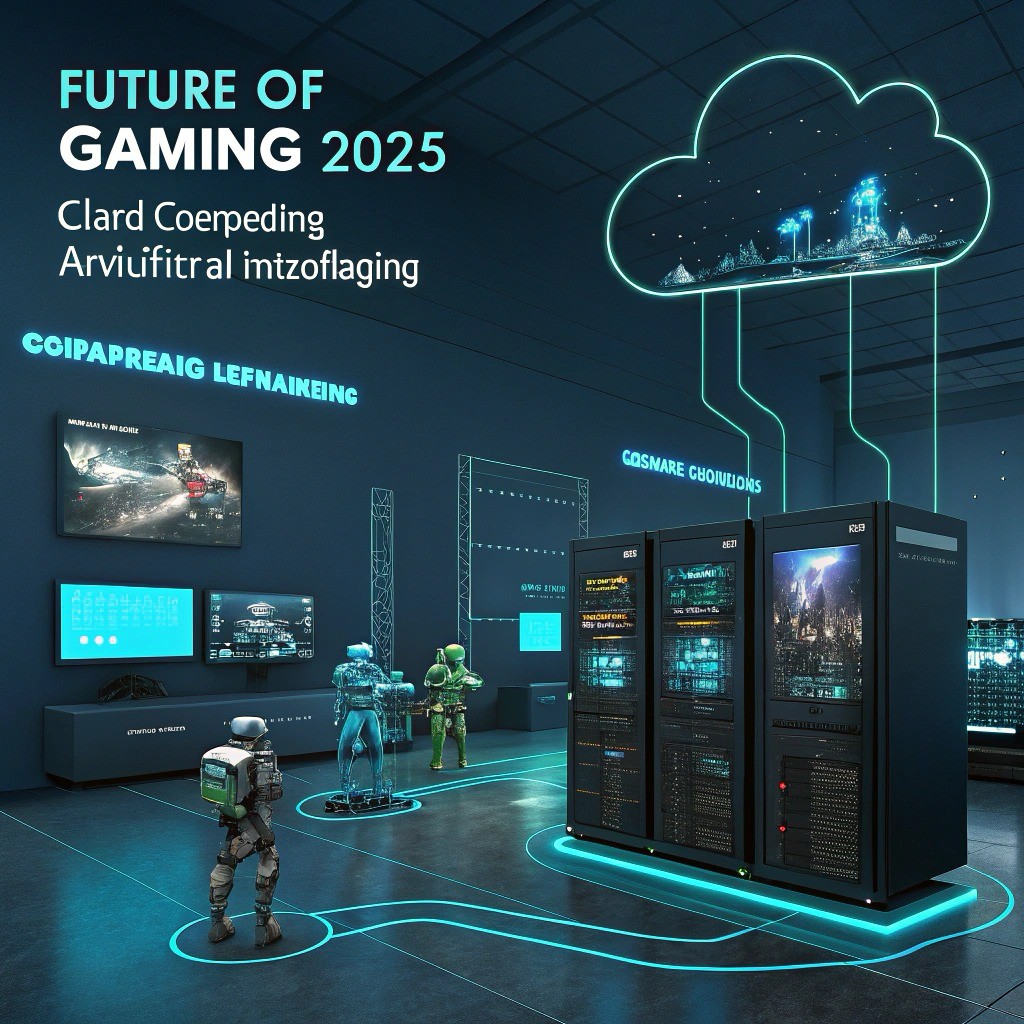
The gaming industry in 2025 is evolving at a pace never seen before. This year is not only about blockbuster releases but also about a fundamental shift in how games are played, experienced, and shared. With breakthroughs in cloud technology, artificial intelligence, and global connectivity, the line between platforms, devices, and even physical and digital play is becoming thinner than ever.
1. Cloud Gaming Becomes Everyday
Cloud gaming has moved from being an experiment to a mainstream option. Services are now delivering console-quality graphics directly to phones, laptops, and even in-car entertainment systems. The days of needing expensive gaming rigs are fading — all you need is a strong internet connection.
Yet, challenges like latency, regional server coverage, and subscription pricing continue to shape the adoption curve. Still, the convenience of playing anywhere, anytime, is pushing more gamers toward streaming as their preferred way to play.
2. AI is Transforming the Experience
Artificial intelligence is no longer just a background tool — it’s at the heart of modern gaming. NPCs are smarter, able to adapt to player behavior, and can carry conversations that feel surprisingly natural.
Beyond gameplay, AI is being used for better matchmaking, automated anti-cheat detection, and even optimizing game settings on the fly. This ensures smoother experiences across devices, making even budget smartphones capable of running high-performance titles with the right optimizations.
3. Infrastructure Powers Competitive Play
The rise of 5G and low-latency networks has revolutionized competitive gaming. International tournaments now rely on cutting-edge connectivity to ensure fair play and seamless streaming. Advances in data center design also allow cloud services to scale efficiently, letting multiple players share powerful hardware without performance loss.
At the same time, hardware manufacturers are doubling down on partnerships with esports organizations. From high-refresh monitors to tournament-grade peripherals, the focus is on delivering consistency, precision, and speed for the competitive scene.
4. Phygital Events Are Here
Gaming events are no longer confined to digital streams or local arenas. Hybrid or “phygital” formats are rising, blending real-world energy with virtual competition. Spectators can cheer in stadiums while millions more join online, creating a unified global experience.
This shift is also driving recognition at a policy level. In several countries, esports is now acknowledged as an official sport, opening doors to new investments, sponsorships, and regulations that support the industry’s growth.
5. What It Means for the Community
- Gamers now have more freedom to choose how and where they play. High-end hardware is optional — connectivity is becoming the real power-up.
- Developers are challenged to design games that adapt across platforms, integrate AI creatively, and deliver smooth performance in both streaming and offline modes.
- Content creators and esports teams face higher expectations. Audiences demand crystal-clear visuals, low-lag streams, and interactive viewing experiences that blur the line between watching and playing.
6. Highlights of 2025
- Mobile gaming continues to rise, with global tournaments proving that handheld devices can deliver world-class competitive play.
- Handheld PCs and gaming consoles are entering a new era, combining portability with high-performance specs, making on-the-go gaming more practical than ever.
- Global tournaments are drawing record audiences, with investments in infrastructure and hardware partnerships setting new benchmarks for professionalism in esports.
7. Looking Ahead
The future of gaming is about freedom, intelligence, and connectivity. Players are no longer tied to a single device, developers are building smarter and more adaptive worlds, and esports is emerging as a mainstream cultural force.
The big shift? Gaming in 2025 isn’t defined by owning powerful machines but by being part of a connected ecosystem where your experience follows you anywhere. The worlds we play in are getting smarter, the competition sharper, and the opportunities bigger than ever before.