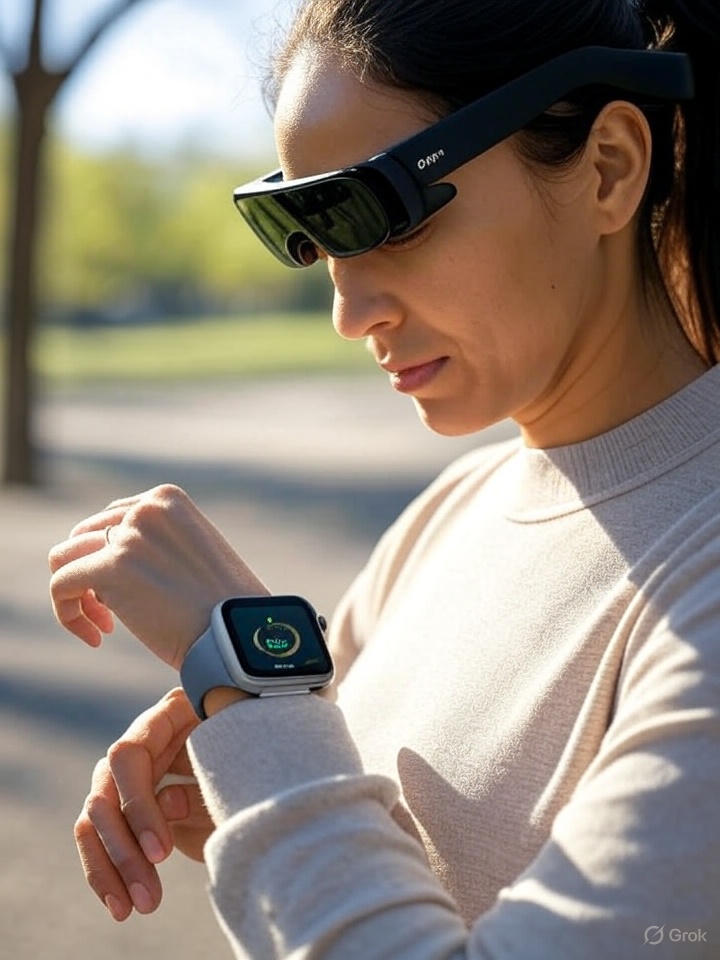
Wearable technology has evolved from niche fitness trackers to sophisticated devices that are reshaping how we interact with software. In 2025, wearable apps—designed for smartwatches, fitness bands, augmented reality (AR) glasses, and even smart clothing—are moving beyond their dependency on smartphones, becoming standalone platforms with immense potential. This article explores the future of wearable apps, highlighting emerging trends, challenges, and opportunities for developers, businesses, and users.
The Rise of Standalone Wearable Apps
Wearables are no longer just smartphone extensions. With advancements in hardware and connectivity, devices like the Apple Watch Ultra, Samsung Galaxy Watch, and AR glasses like Meta’s Orion are gaining independent processing power and 5G/6G connectivity. According to IDC, the wearable market is projected to reach 600 million units shipped annually by 2026, with 40% of devices operating independently of smartphones.
Why It Matters
- Untethered Experiences: Standalone apps allow wearables to function without a phone, enabling seamless use in scenarios like outdoor adventures or professional settings.
- User Adoption: A 2024 Statista survey found that 65% of users prefer wearables that don’t require constant phone pairing, driving demand for independent apps.
- Developer Opportunities: Standalone wearables open new markets for apps tailored to compact interfaces and real-time interactions.
Key Trends Shaping Wearable Apps in 2025
1. AI-Powered Personalization
- What’s Happening: AI is being integrated into wearables to deliver hyper-personalized experiences. For example, fitness apps use machine learning to analyze biometric data (heart rate, sleep patterns) and offer tailored workout or wellness plans.
- Examples: WHOOP’s AI-driven coaching adapts fitness goals in real-time, while Google’s Wear OS leverages AI for predictive notifications.
- Future Outlook: By 2026, expect AI to power contextual apps that anticipate user needs, such as suggesting hydration breaks during a hike based on weather and exertion data.
- Impact: Enhances user engagement but requires developers to master on-device AI frameworks like TensorFlow Lite.
2. Augmented Reality (AR) and Mixed Reality (MR) Integration
- What’s Happening: AR glasses (e.g., Apple Vision Pro, Snap Spectacles) are creating new app ecosystems. These devices overlay digital information onto the real world, enabling immersive apps for navigation, gaming, and remote collaboration.
- Examples: Niantic’s AR games like Pokémon GO are adapting for glasses, while Microsoft’s HoloLens supports enterprise apps for real-time equipment diagnostics.
- Future Outlook: By 2025, AR glasses will support lightweight, gesture-based apps, with 5G enabling low-latency streaming of complex visuals.
- Impact: Opens doors for innovative UX but demands expertise in ARKit, Unity, or RealityKit for development.
3. Health and Wellness as a Core Focus
- What’s Happening: Wearables are becoming medical-grade tools, with apps monitoring chronic conditions, mental health, and even predicting health risks. The FDA approved several wearable apps in 2024 for ECG and blood oxygen monitoring.
- Examples: Fitbit’s stress-tracking app and Oura Ring’s sleep analysis provide actionable health insights.
- Future Outlook: In 2025, expect apps integrating with biosensors for real-time glucose monitoring or early detection of conditions like atrial fibrillation.
- Impact: Saves lives and reduces healthcare costs but requires strict compliance with regulations like HIPAA.
4. IoT and Smart Ecosystem Integration
- What’s Happening: Wearables are connecting to broader Internet of Things (IoT) ecosystems, controlling smart home devices, vehicles, or even drones. For instance, a smartwatch app can adjust a thermostat or unlock a car.
- Examples: Samsung’s SmartThings integration allows Galaxy Watches to control home appliances, while Tesla’s watch app manages car features.
- Future Outlook: By 2026, wearables will act as universal controllers for IoT devices, with apps leveraging edge computing for faster response times.
- Impact: Simplifies user interactions but challenges developers to ensure cross-device compatibility and security.
5. Gesture and Voice-Based Interfaces
- What’s Happening: Wearables are adopting touchless interfaces to overcome small-screen limitations. Voice assistants (e.g., Google Assistant, Siri) and gesture controls are becoming standard.
- Examples: Apple Watch’s double-tap gesture and AR glasses’ hand-tracking enable intuitive app navigation.
- Future Outlook: In 2025, expect neural interfaces (e.g., Neuralink-inspired tech) to emerge, allowing thought-based app control in experimental stages.
- Impact: Enhances accessibility but requires developers to optimize for low-power, real-time processing.
6. Green and Sustainable Wearable Apps
- What’s Happening: Energy-efficient app design is gaining traction as wearables aim to reduce battery drain and environmental impact. The Green Software Foundation’s principles are being applied to wearable development.
- Examples: Apps optimized for low-power modes extend battery life on devices like Garmin’s fitness trackers.
- Future Outlook: By 2025, developers will prioritize lightweight code and cloud-offloading to minimize energy use, with wearables adopting solar or kinetic charging.
- Impact: Aligns with sustainability goals but may limit app complexity on low-power devices.
Challenges in Wearable App Development
- Hardware Constraints: Limited processing power, battery life, and screen size demand highly optimized apps. Developers must use lightweight frameworks like Wear OS or WatchOS SDKs.
- Fragmented Ecosystems: Android Wear, Apple WatchOS, and proprietary platforms (e.g., Fitbit OS) require cross-platform expertise, increasing development complexity.
- Privacy and Security: Wearables collect sensitive health and location data, necessitating robust encryption and compliance with GDPR, HIPAA, or CCPA.
- User Adoption: High costs of advanced wearables (e.g., AR glasses at $1,000+) may limit market reach, requiring apps to justify value.
Opportunities for Developers and Businesses
- Niche Markets: Develop apps for underserved areas like elderly care (fall detection) or industrial use (AR for equipment repair).
- Subscription Models: Offer premium features (e.g., advanced health analytics) to monetize apps, as seen with Fitbit Premium’s $9.99/month plan.
- Cross-Industry Collaboration: Partner with healthcare, fitness, or IoT companies to create integrated solutions, such as apps syncing with hospital systems.
- Rapid Prototyping: Use low-code platforms like Thunkable for wearable MVPs to test ideas quickly and affordably.
What’s Next for Wearable Apps?
By 2026, wearable apps will redefine personal computing, moving beyond smartphones to become primary interaction devices. Expect breakthroughs in:
- Bio-Integrated Wearables: Smart contact lenses or skin patches with apps for real-time health monitoring.
- Social and Gaming: Immersive multiplayer games and social platforms for AR glasses, leveraging 5G for seamless connectivity.
- Enterprise Adoption: Wearables for remote training, logistics, and field service, with apps streamlining workflows.
How to Get Started as a Developer
- Learn Wearable SDKs: Master platforms like WatchOS, Wear OS, or Unity for AR development.
- Focus on UX: Design for glanceable, low-interaction interfaces using voice, gestures, or haptics.
- Leverage AI and IoT: Integrate TensorFlow Lite for on-device AI and MQTT for IoT connectivity.
- Test Rigorously: Use emulators and real devices to ensure performance across diverse hardware.
- Stay Compliant: Follow privacy regulations and optimize for energy efficiency to align with user expectations.
Conclusion
The future of wearable apps lies in their ability to deliver seamless, personalized, and standalone experiences. From AI-driven health insights to AR-powered productivity tools, wearables are set to transform industries and user habits. Developers and businesses that embrace these trends—while navigating hardware and privacy challenges—will lead the charge in this exciting new era of wearable technology.