

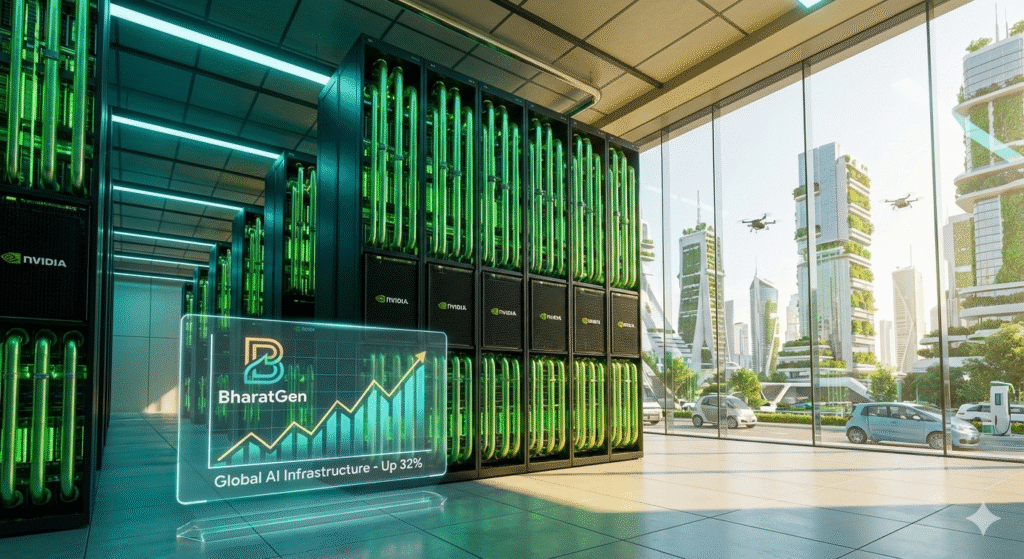
As we wrap up a historic week in tech, the narrative has shifted from the excitement of the India AI Impact Summit to the cold reality of “The $650 Billion Bill.” While models are getting smarter (the “Snow Bunny” effect), the market is beginning to show signs of “Valuation Vertigo” as Big Tech’s transition from “Asset Light” to “Asset Heavy” hits a fever pitch.
Here is the closing report for Big Tech in the third week of February 2026.
Apple: The “Phase 1” Scramble & iOS 26.4
Apple is currently in a high-stakes race to stabilize its AI integration before the public release of iOS 26.4.
- The Gemini Handover: Internal reports suggest that Apple is leaning more heavily on Google’s infrastructure than originally planned. The “Phase 1” Siri rollout is struggling with multi-step latency, leading to rumors that the full “Conversational Siri” might be pushed to iOS 27 in September.
- Hardware Gaps: iPhone 15 Pro users are reporting “NPU throttling” in early beta tests of the agentic features, raising concerns that the iPhone 18 (expected this fall) will be the only device capable of running the full “Agentic Stack” natively.
Google: Gemini 3.5 “Snow Bunny” Goes Vertical
Google is doubling down on the “System 2” reasoning capabilities leaked earlier this month.
- Beyond Chat: Gemini 3.5 isn’t being marketed as a chatbot, but as a system builder. Its ability to generate 3,000+ lines of functional code (like the viral Game Boy emulator demo) has shifted its target audience from casual users to “Indie Hackers” and enterprise architects.
- The $180B Gamble: Alphabet’s capex has officially reached a projected $180 billion for 2026. The investment is flowing into “Giga-Hubs” like the one announced in Vizag this week, designed to provide sovereign compute to the Global South.
Microsoft: Hudson Valley & The “NPU Wall”
Windows 12 (Hudson Valley) is nearing a “Release Preview” state, but the hardware requirements are sparking a consumer backlash.
- 45 TOPS or Bust: Microsoft is holding firm on the 45 TOPS (Trillion Operations Per Second) NPU requirement. This effectively “sunsets” millions of PCs bought as recently as 2024, forcing a massive hardware refresh cycle that analysts are calling the “Great AI Upgrade.”
- The “Recall” Return: A refined, fully local version of the Recall feature is being tested, using the NPU for on-device semantic indexing to avoid the privacy scandals of years past.
Meta: “Name Tag” & The Privacy Backlash
Mark Zuckerberg is moving forward with a controversial “social sensing” vision for wearables.
- Name Tag Release: Despite intense scrutiny from civil liberties groups, Meta is reportedly preparing to launch “Name Tag” for its Ray-Ban glasses. The feature would use facial recognition to identify individuals with public Instagram/Facebook profiles in real-time.+1
- Market Leader: With 7 million units sold in 2025, Meta currently owns the “AI Wearable” category, making the glasses a more significant revenue driver than the entire Quest VR lineup.
Big Tech Ecosystem Snapshot: Feb 21, 2026
| Metric | Google (Alphabet) | Microsoft | Meta | Amazon |
| 2026 Capex Est. | $185 Billion | $160 Billion | $135 Billion | $200 Billion |
| Core AI Focus | System 2 Reasoning | Agentic OS (Win12) | Superintelligence Labs | Robotics & LEO Satellites |
| Weekly Sentiment | Stable (Gemini 3.5 hype) | Wary (Hardware mandates) | Aggressive (Wearable push) | Bearish (Margin concerns) |
🇮🇳 India Focus: The “Sutra” Unveiling
The India AI Impact Summit concluded with a glimpse of the country’s sovereign future.
- BharatGen ‘Sutra’: The summit’s showstopper was Sutra, an AI news anchor capable of real-time multi-modal reasoning. Unlike previous “AI avatars,” Sutra can synthesize complex policy discussions into structured narratives across 12 Indian languages instantly.+1
- Param-2: Prime Minister Modi officially launched the Param-2 model, a 17-billion parameter text foundation model trained specifically on Indian cultural and linguistic nuances, marking a major step away from Western-centric AI.
The Big Picture: Big Tech is currently spending 83% of its operating cash flow on AI infrastructure. The industry is no longer betting on software features; it is betting on becoming the utility provider for the entire autonomous economy.


