

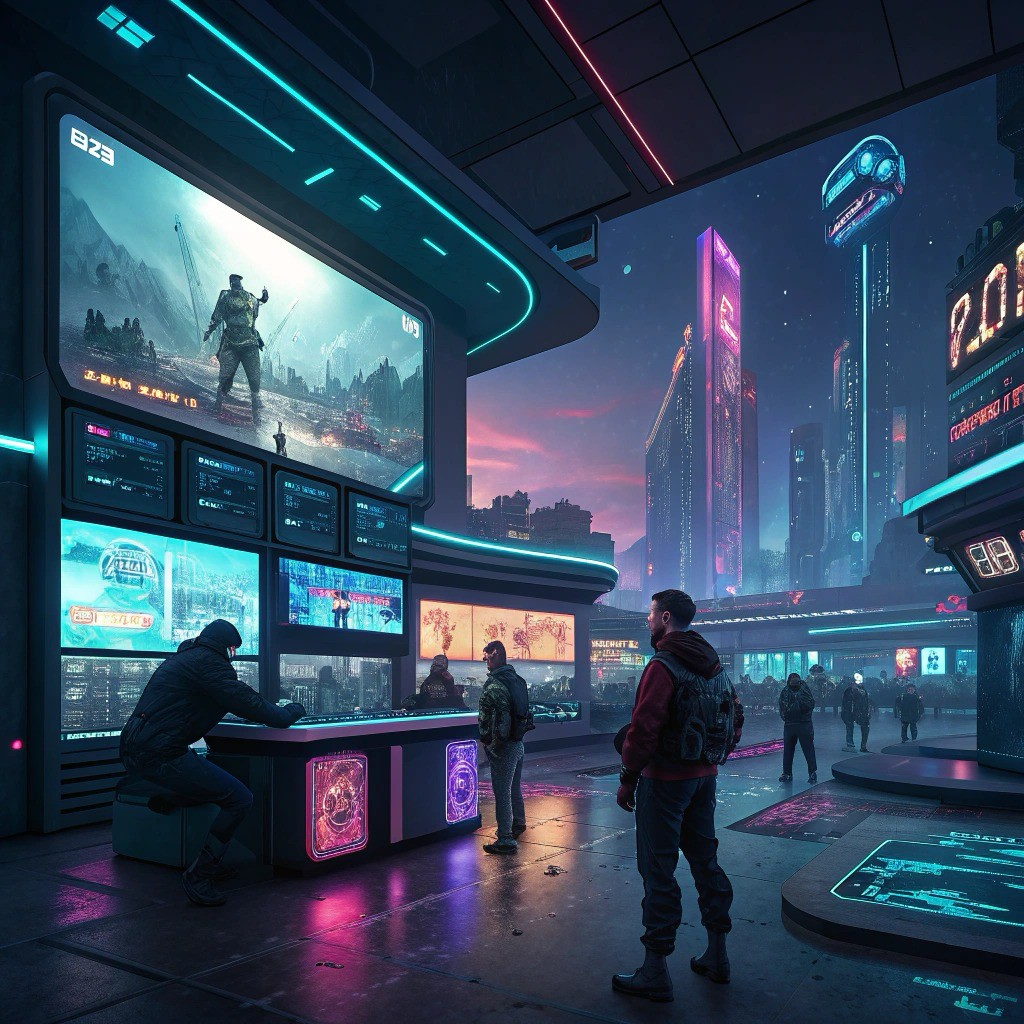
Gaming in 2025 isn’t just about graphics cards, consoles, or cloud servers — it’s about how people come together, how stories are told, and how immersive worlds reshape our lives. With new platforms and technologies, the culture of gaming is evolving into something much larger: a global community built around creativity, collaboration, and shared experiences.
1. Gaming as a Social Space
Online multiplayer isn’t new, but in 2025, it feels more like a digital town square than a competitive lobby. Players hang out, attend virtual concerts, and explore open worlds together. Games are doubling as social networks — blending chat, video, and live events into seamless community hubs.
From small indie co-op adventures to massive online universes, gaming is becoming a primary way for people to meet, interact, and form lasting friendships across borders.
2. Storytelling Goes Next Level
The way stories are told in games is changing. Thanks to advanced AI and branching narrative design, no two players experience a story the same way. NPCs can remember your past choices, react differently each time, and make the world feel alive.
Developers are experimenting with procedural storytelling, where worlds evolve based on player decisions, creating a sense that you’re shaping a living, breathing universe instead of following a pre-written script.
3. Immersive Worlds With VR & AR
Virtual and augmented reality are finding their place beyond novelty. In 2025, VR headsets are lighter, wireless, and packed with features like eye tracking and haptics, delivering a sense of presence like never before.
AR is entering everyday play, turning living rooms into battlegrounds or puzzle chambers. Hybrid “phygital” setups allow physical actions to influence digital gameplay — blurring the line between the real and the virtual.
4. The Rise of Player-Created Content
More than ever, players are creators. Game engines and modding tools are easier to use, empowering communities to build new levels, characters, and even full game worlds. Platforms are embracing this trend by supporting user-generated content directly in official ecosystems.
The result? A constant stream of fresh content, diverse playstyles, and a sense that gaming is less about consuming and more about co-creating.
5. Mental Wellness and Gaming
Another big shift is the recognition of gaming as a positive force for mental health. Studios are designing experiences that encourage relaxation, mindfulness, and emotional storytelling. Multiplayer communities are also increasingly focused on inclusivity, with tools to reduce toxicity and support positive interaction.
Gaming is becoming not just entertainment, but a form of therapy, social connection, and creative expression.
6. What This Means for Gamers
- Expect more personalized, story-driven adventures that adapt to you.
- Look for social-first platforms where gaming and community overlap.
- Experiment with VR, AR, and hybrid play for immersive new experiences.
- Join communities that value creativity and positivity as much as competition.
Conclusion
The future of gaming in 2025 is not just powered by technology, but by people. Communities are larger, stories are deeper, and experiences are more immersive than ever. Whether you’re exploring vast AI-driven worlds, co-creating with friends, or simply relaxing with a mindful game, one thing is clear: gaming is no longer just a pastime — it’s a cultural movement that connects and inspires.


