

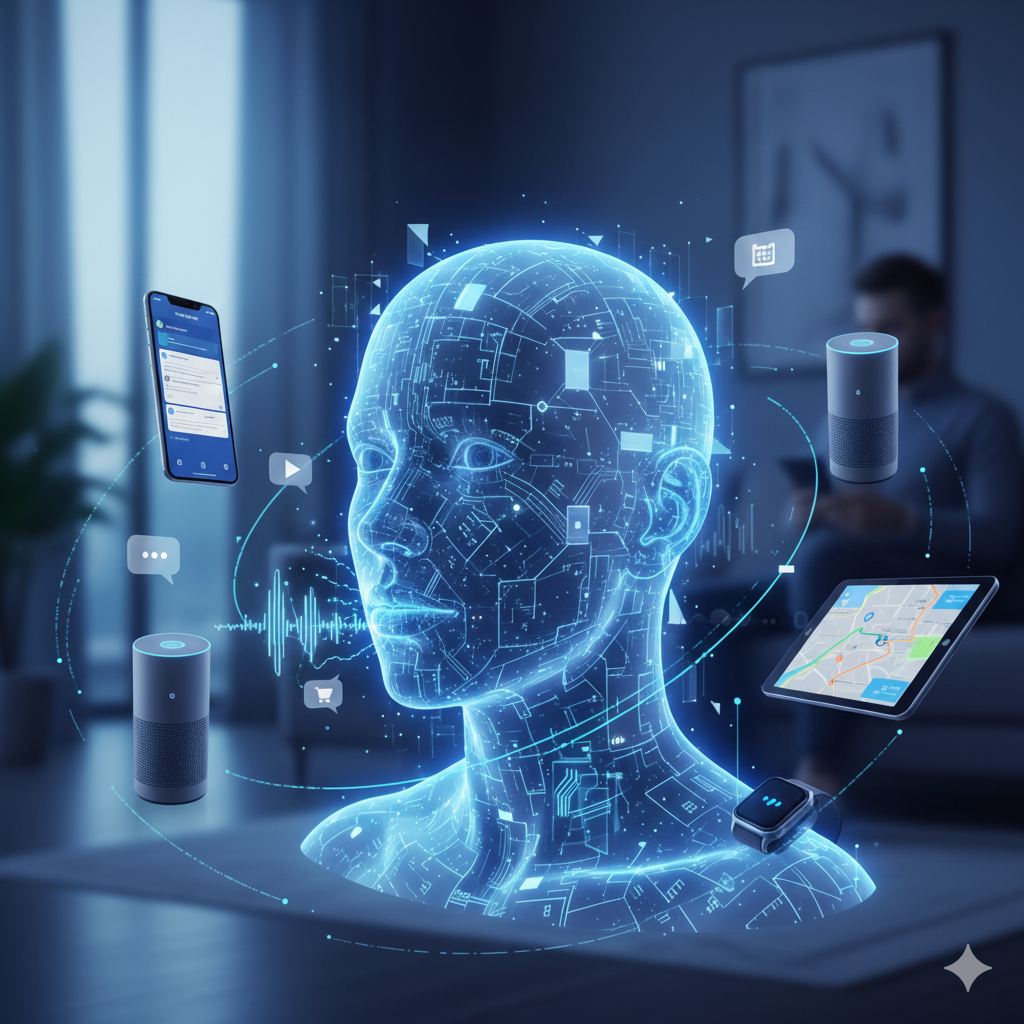
Remember when talking to a computer felt like something out of a sci-fi movie? Well, the future is now, and it’s chatting with us every day! Chatbots and Virtual Assistants have transitioned from niche tools to ubiquitous helpers, fundamentally changing how we interact with technology and access information. Powered by the incredible advancements in Artificial Intelligence (AI) and Machine Learning (ML), these conversational interfaces are redefining convenience and efficiency.
What’s the Big Deal? Defining the Players
While often used interchangeably, there’s a subtle distinction:
- Chatbots: These are AI-powered computer programs designed to simulate human conversation, primarily through text or voice. They can range from simple rule-based systems (like answering FAQs on a website) to highly sophisticated AI-driven conversational agents. Their primary goal is often task completion or information retrieval in a specific domain.
- Virtual Assistants: Think of these as more advanced, often personalized, chatbots with broader capabilities. They typically integrate with multiple services and devices, can perform proactive tasks, learn user preferences over time, and offer a more holistic “assistant” experience across various aspects of your digital life. Examples include Siri, Alexa, and Google Assistant.
In essence, all virtual assistants are chatbots, but not all chatbots are virtual assistants. Both rely heavily on AI and ML to function.
The AI Magic Behind the Conversation
So, how do these digital interlocutors understand what we say and respond intelligently? It’s a fascinating blend of AI disciplines:
- Natural Language Processing (NLP): This is the cornerstone. NLP allows the AI to understand, interpret, and generate human language.
- Understanding: When you type or speak, NLP breaks down your input, identifying keywords, understanding grammar, and deciphering your intent. Is it a question? A command? A statement?
- Generating: Once the AI understands, NLP helps it formulate a coherent, contextually appropriate response that sounds natural.
- Machine Learning (ML): This is where the “learning” happens.
- Training Data: Chatbots and virtual assistants are trained on massive datasets of conversations, text, and speech. This data helps them recognize patterns, associate words with meanings, and learn various ways people express similar requests.
- Pattern Recognition & Prediction: ML algorithms enable them to predict the most likely next word, the best answer to a question, or the most relevant action to take based on your input and past interactions. The more data they process, the smarter they become.
- Sentiment Analysis: Advanced systems can even detect the emotional tone of your input, allowing them to tailor responses or escalate issues if frustration is detected.
- Context Management: Sophisticated bots don’t just respond to one query; they remember previous turns in the conversation. AI helps them maintain context, so they can answer follow-up questions without you having to repeat information.
Where You Encounter Them Daily
Chatbots and virtual assistants are everywhere, making your life easier:
- Customer Service: Many company websites now feature chatbots that can answer common questions, guide you to resources, or even help troubleshoot basic issues 24/7, reducing wait times for human agents.
- Smartphones & Smart Speakers: Siri, Alexa, Google Assistant, and Cortana are prime examples, helping you play music, set alarms, get directions, control smart home devices, and much more, all with just your voice.
- E-commerce: Bots can help you find products, track orders, or get recommendations based on your preferences.
- Banking: Checking your balance, reviewing recent transactions, or even making transfers can often be done through a banking chatbot.
- Healthcare: Some bots provide symptom checkers, appointment scheduling, or general health information.
- Personal Productivity: Setting reminders, managing calendars, and making lists are common tasks for virtual assistants.
The Future of Conversation
The evolution of chatbots and virtual assistants is a testament to the power of AI and ML. As these technologies continue to advance, we can expect even more natural, intuitive, and capable conversational experiences. They will become even better at understanding nuanced language, handling complex multi-turn conversations, and proactively assisting us in ways we haven’t even imagined yet.
The line between talking to a person and talking to a machine will continue to blur, making our digital interactions more seamless, efficient, and, dare we say, enjoyable. So next time you ask your assistant a question, remember the incredible AI and ML working tirelessly behind the scenes!


